
by Latala Hodges, Senior Communications and Operating Officer
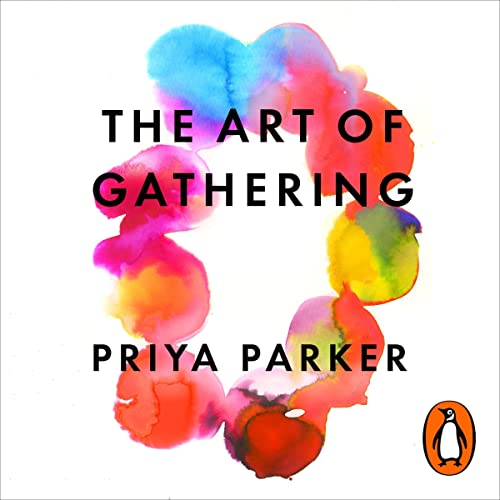
Our staff recently finished a book study on The Art of Gathering: How We Meet and Why it Matters by Priya Parker. This book explores how to make a gathering meaningful and productive, ensuring that attendees feel comfortable and have an experience memorable enough to carry back into the world with them.
We’re in the midst of a community visioning project (Our MHC — Vision 2050) where we are asking our community for input on a vision for the next 25 years in Martinsville-Henry County. We recognize that this is a fraught time in our country. Many of us are struggling with global and personal circumstances; prices are rising for everything from food to gas and utilities.
In times like these, it’s tempting to put our heads down and focus solely on ourselves and our loved ones. But when we experience these challenges, it’s more important than ever to come together. We need fellowship with one another, to get to know our neighbors, and create a future plan for what we want our lives as a community to be.
When meeting community members where they are throughout this process, we can take many lessons from Priya and her book. She takes us through a series of real-world examples that prompt us to ask ourselves questions we may have never considered about meetings.
For instance, do we think about the true purpose of why we’re gathering? We’ve all been to a meeting that could’ve been an email. How do we avoid that? How do we stop gathering in the same tired ways and instead, create a space where people feel a sense of belonging and connection for a specific purpose?
Priya explores a formula for success throughout the book. The first step is ensuring you’re gathering for the right reason and making sure your purpose is “specific, unique, and disputable.” She also emphasizes protecting guests, equalizing them, and connecting them. The next step is “creating a temporary world, which is shifting the atmosphere of your event to create the ideal circumstances to achieve the results you need.
Throughout this book study, we also learned to re-evaluate conflict and controversy. Instead of avoiding them, we can turn those moments into opportunities to expand our thinking — even if it’s messy. When handled well, conflict can offer clarity and truth that we can all understand and accept.
Meetings don’t have to be emotionless, perfunctory routines. They can be fun, exciting, and offer the space to be different. They can be places where true connections form that survive long after we return to the real world.
We are taking these lessons to heart as we begin our Community Visioning work in earnest this summer. We will strive to create an environment where you feel welcomed, heard, and free to engage with us.